How to get your dog’s attention for a photo
Set the camera up first, then briefly use a familiar toy, your usual cue or a suitable reward near the lens to invite your dog’s attention. Take the picture and reward them promptly. Keep the session easy to leave: a natural look away can be a good photograph too. You do not need to force a head tilt, use startling sounds or keep repeating a cue to make the session worthwhile.
Commercial disclosure: This page has no affiliate links or paid placements. Example photographs are stock images, not PostPuppies contest entries or a camera test.
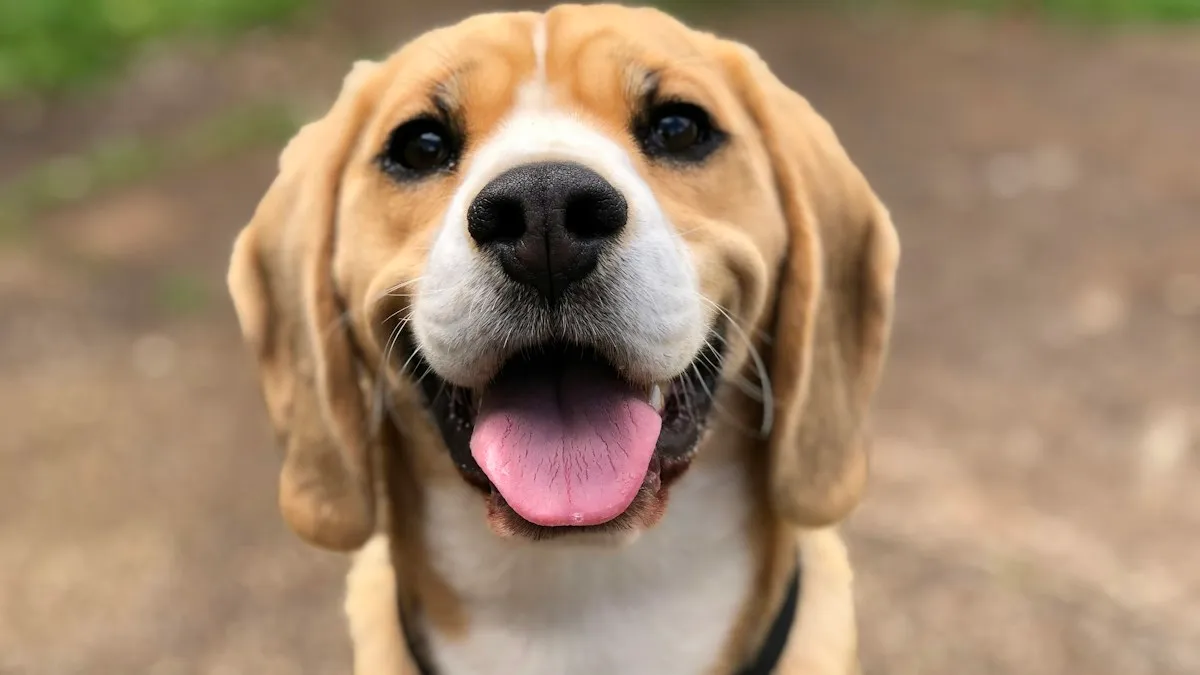
Make the camera the easy part
Choose the background, open the camera and check the frame before involving your dog. If another adult is helping, agree who handles the dog and who handles the phone. Keep access to doors, paths and other people clear.
Pick a familiar toy or an owner-approved reward in advance. Follow the dog’s existing feeding and care instructions; this is not a reason to introduce a new food or ignore a dietary restriction.
- Have the phone ready and the lens checked.
- Choose one familiar cue or item to try.
- Agree where the helper will stand.
- Plan to stop when the dog disengages.
Invite a glance near the lens
Petco’s photo guidance describes using a favourite toy or reward to help attract attention, then rewarding after the photo. Hold the item where you want the gaze while keeping it safely under your control. Keep your fingers out of the shot and out of any situation you cannot manage comfortably.
The goal is an opportunity to photograph an expression, not a prolonged wait for a reward. Take a few frames, give the agreed reward and pause. If the dog is not interested, change the plan rather than escalating the noise or pressure.
Further reading: Petco: Taking photos of your pet.
Use a short shot list instead of one perfect pose
A small set gives you a useful result without repeatedly asking for the same behaviour. Choose whichever moments happen comfortably.
| Picture | What you are looking for |
|---|---|
| Looking toward the camera | A brief, comfortable glance |
| Looking to one side | A natural profile or expression |
| With a familiar toy | The dog interacting without being forced to pose |
| Resting | An ordinary calm moment, photographed without disturbing them |
Further reading: Sony: Capture the cute expressions of pets.
Adapt the session to the dog and the helper
With a young puppy, work around the care routine and keep expectations small. With a taller or more active dog, give the helper room and choose a position where the camera operator can stay still. Do not ask a child to manage an excited dog for the sake of a photograph.
You can also photograph details: a familiar toy beside resting paws, an ear in the light or the puppy exploring a safe space. A photograph does not have to show direct eye contact to become a useful memory.
Common questions
Do I need a special treat to get a head tilt?
No. A head tilt is not a required result. Start with familiar items and cues, reward appropriately and accept other natural expressions.
What if my dog keeps walking toward the camera?
Have a helper manage the setup where appropriate, or choose a wider frame and a different moment. Avoid repeatedly pushing the dog away or forcing a stay they have not learned.
Can a sitter use the same photo routine?
Write down the dog’s familiar cue, suitable toys and any reward restrictions in the sitter instruction sheet. The sitter should follow the owner’s actual care instructions.
A little more help.
How to stop a puppy from biting hands
A practical plan for redirecting puppy mouthing, making play safer and recording triggers, with clear limits for fear, pain or escalating biting.
Read guidePhotographyHow to take better dog photos with your phone
A practical phone portrait guide: get to eye level, choose a simple background, focus on the eyes and compare a short set of photos.
Read guidePhotographyHow to photograph dogs running with your phone
A phone action-photo checklist covering a safe setting, burst controls, framing space and how to choose a sharp frame without promising one universal setting.
Read guide